A journey that climbs from river heat to frozen páramo. One road that cuts across Colombia’s layers and shows a country in motion, alive and shifting with every kilometer.
One paved road connects the Magdalena Valley to the high Andes, crossing four worlds in a single ride. This is the road to Alto El Sifón, a journey where climates shift, communities meet, and Colombia reveals itself layer by layer.

El Sifón. A quiet marker for one of Colombia’s most revealing roads. | Photo by @fotografoaltodeletras.
I. The Valleys
The road begins in Honda, one of the oldest river ports in Colombia. A town of heat, history, and stories shaped by the Magdalena River. This valley has carried coffee and conversations for five centuries. It set the foundations for culture and trade long before any cyclist pressed a pedal here.
Leaving Honda is a perspiring shift. Tropical heat, midday sun, and air that presses against the skin. The road rises and the temperature drops. Líbano appears after a steep section, marking the gateway to Colombia’s coffee heartlands. A quiet Andean town shaped by agriculture. Coffee, plantains, and fruit grown on steep slopes. Many farms still handpick every bean. A rhythm built on soil, seasons, and the patience of mountain life.
Líbano shows how rooted and steady the Andes can be. Every path has a purpose. Every slope has a story. This stretch reveals the human geography of the region. Routes carved by farmers. Trails once carried by muleteers. Lives shaped by terrain long before there were paved shoulders and carbon bikes.
This is where Colombia’s layers become visible. Heat gives way to cool air. Roads narrow. Forest drops low. Mist slips onto the pavement. The ascent moves into places where nature sets the pace and the world slows down.
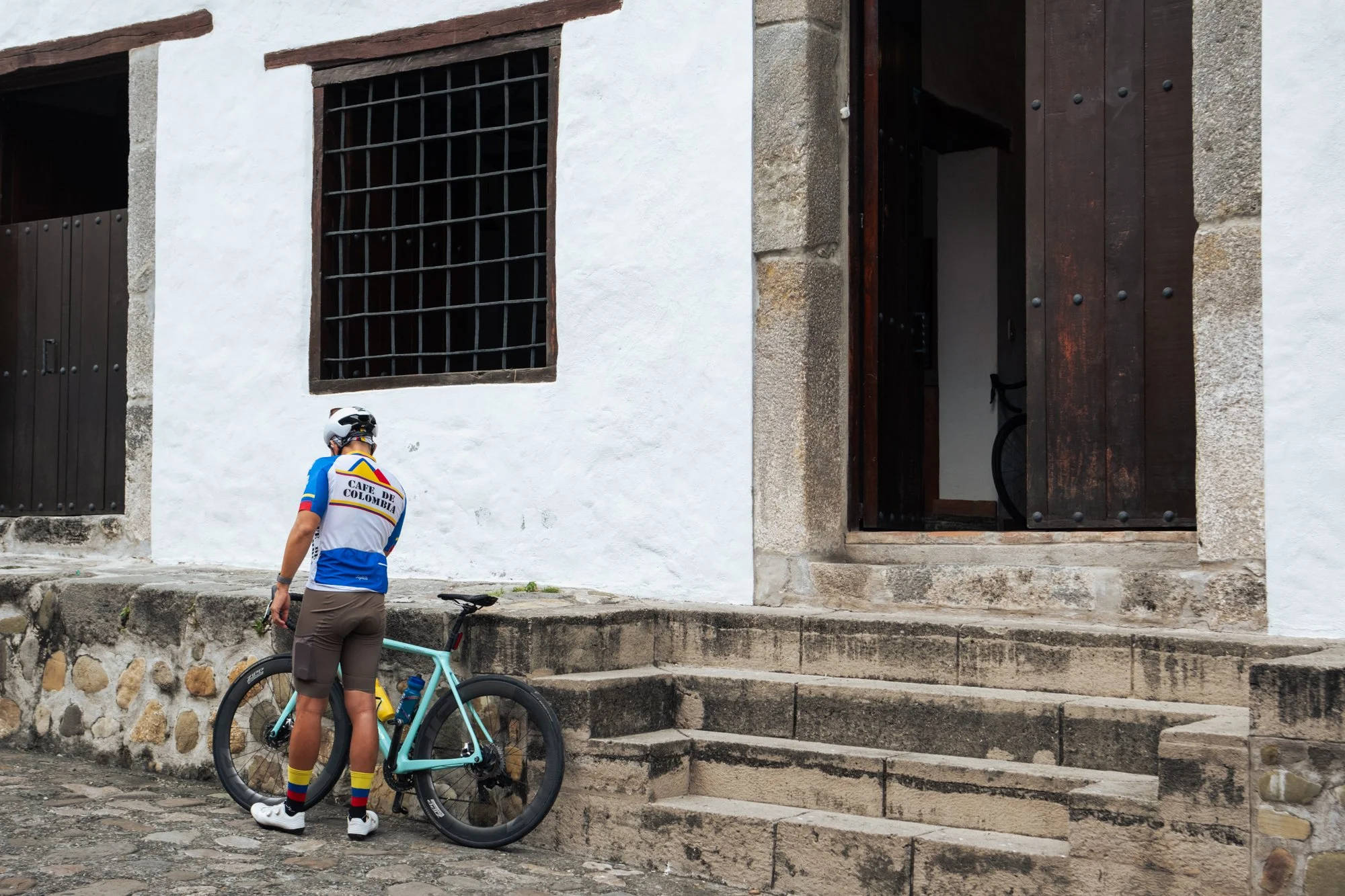
Honda’s cobbled streets carry centuries of trade, heat, and river history. | Photo by Raw Cycling Magazine.

The road rising from the Magdalena Valley toward Colombia’s coffee highlands. | Photo by Raw Cycling Magazine.
II.The Highlands
Murillo arrives with cold air and quiet streets. A highland town at the foothill of Los Nevados. An active volcano rises behind it, overlooking daily life. Altitude shapes everything here. Cooking, farming, morning routines, and the long silences between conversations.
The road that reaches Murillo was only recently paved. A small shift that carries a big change. It connects highland communities that once felt distant. It strengthens access to trade, education, supplies, and opportunity. For cyclists, it unlocks one of the most uninterrupted climbs in Colombia. For residents, it opens a path toward a more connected future.
This section feels like entering another planet. The forest thins. Trees shrink. Air thins. Visibility impairs. The Andes show their vertical worlds stacked one above the other. And cycling becomes a bridge between them. A way to reach communities that rarely appear on maps and landscapes that define the nation’s identity.

Daily life shaped by soil, seasons, and fertile Andean slopes. | Photo by @fotografoaltodeletras.
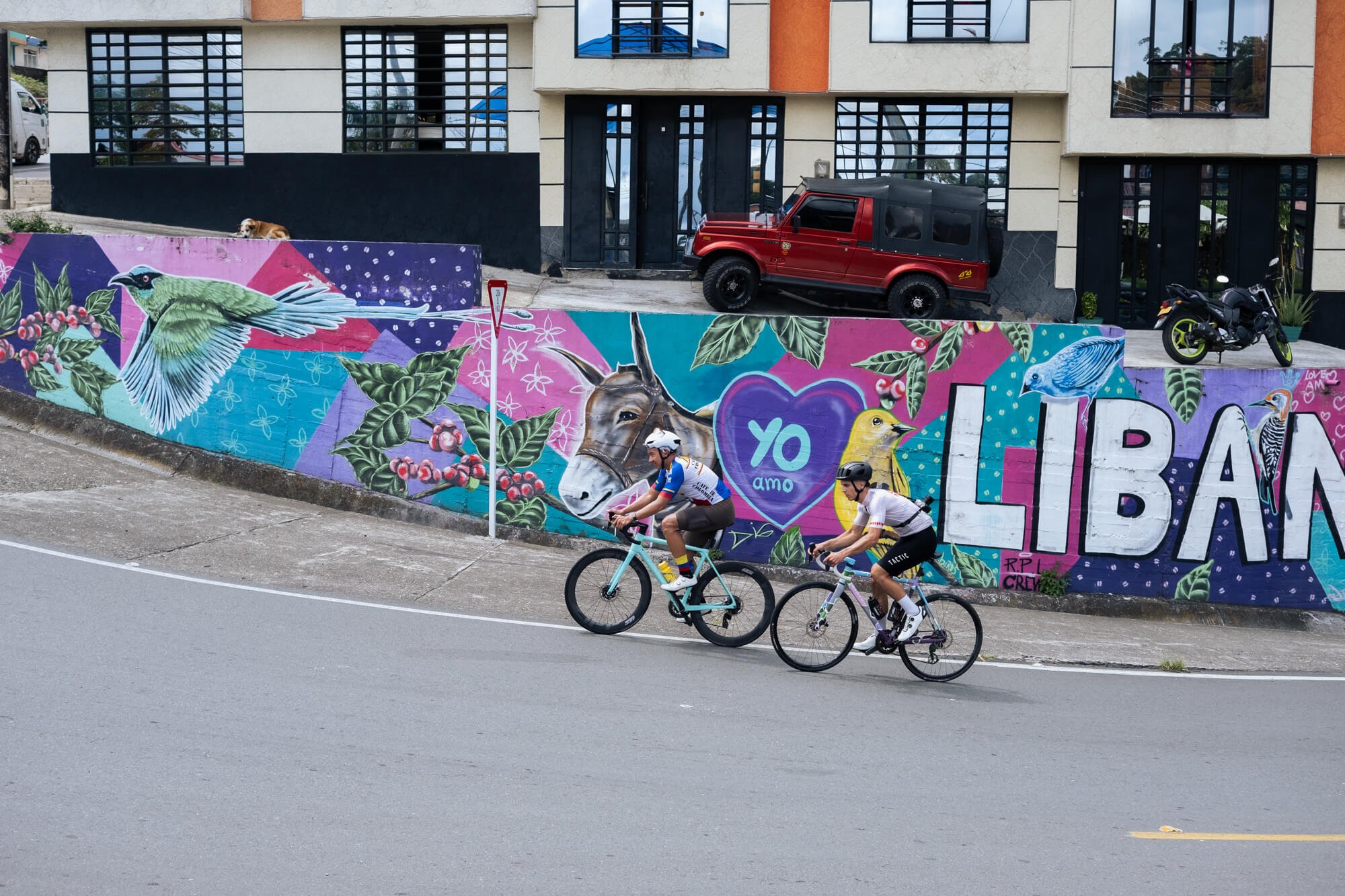
Líbano announces itself in color, pride, and local identity. | Photo by Raw Cycling Magazine.
III. The Páramo
Then the road enters the páramo.
A high altitude alpine tundra. A fragile ecosystem found only in the high Andes of Colombia, Venezuela, Ecuador, and parts of Peru. A world shaped by cold, wind, and volcanic moisture. Frailejones stand tall through fog. Their thick leaves absorb water from the air and feed it slowly into the soil. They are living reservoirs. They anchor the entire hydrological system.
The páramo is one of Colombia’s most valuable natural assets. It filters and stores water for millions downstream. Over seventy percent of the country’s drinking water comes from these ecosystems. Colombia holds almost half of all the páramos on Earth. Protecting them is not optional. It is essential to the nation’s future.
Los Nevados National Natural Park sits at the center of this region. The roof of Colombia’s ecosystem. A natural water bank that sustains communities far beyond these mountains. Riding through it becomes clear how rare and vulnerable these landscapes are. And why caring for them is a responsibility shared by everyone who travels through them.
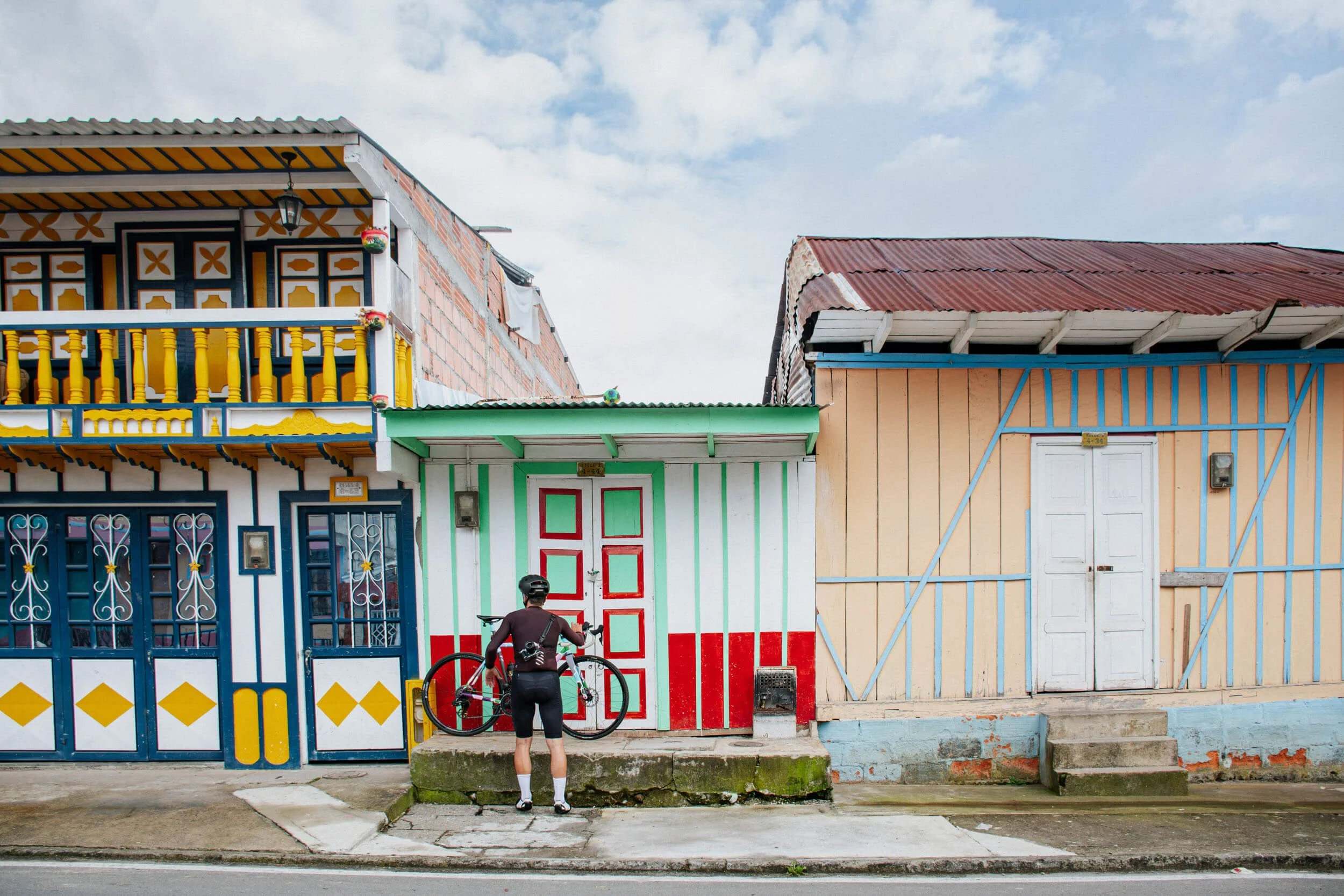
Murillo’s pastel houses standing firm at the edge of the high Andes. | Photo by Raw Cycling Magazine.
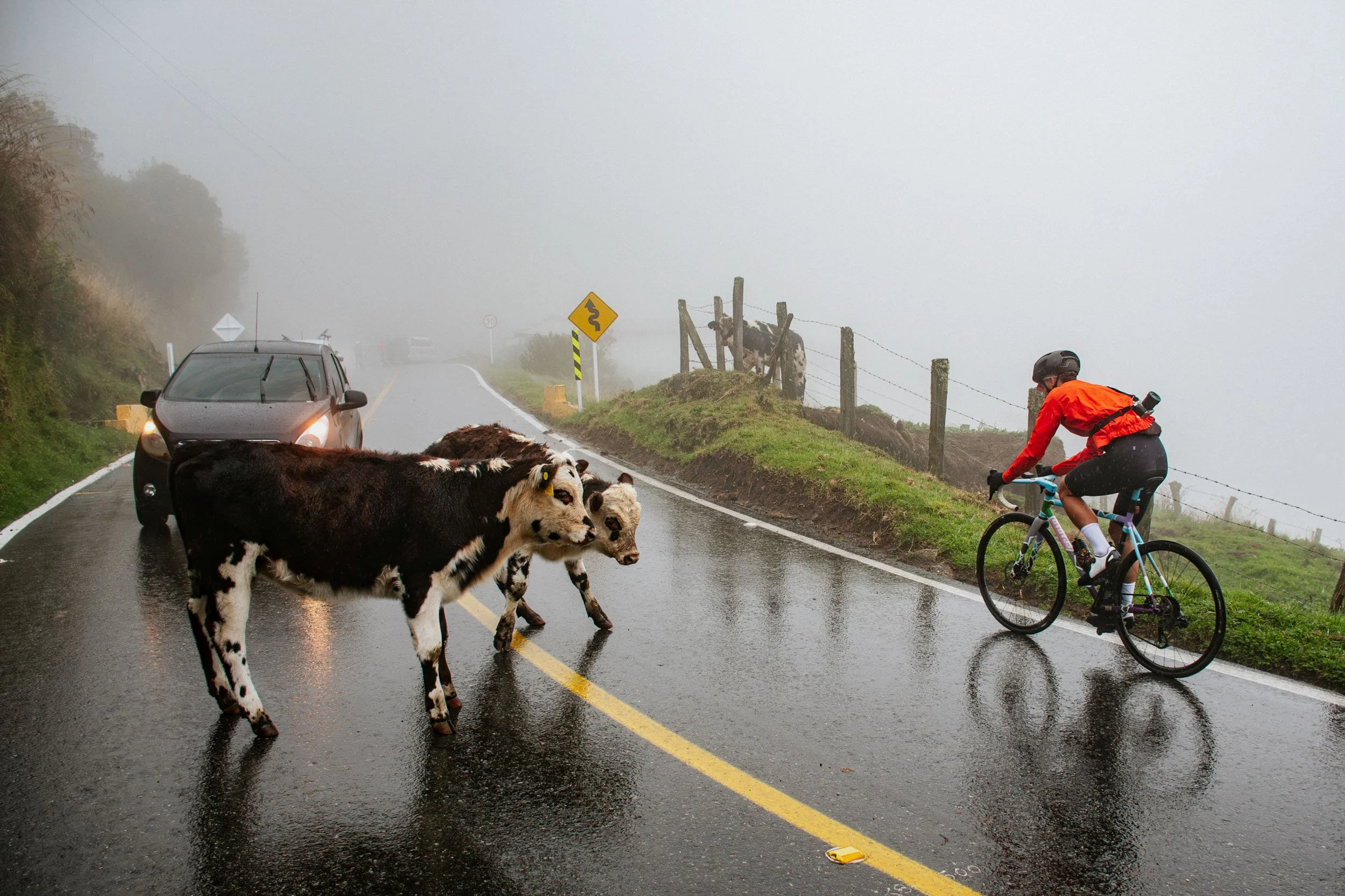
Life moves slowly in the páramo. | Photo by @fotografoaltodeletras.
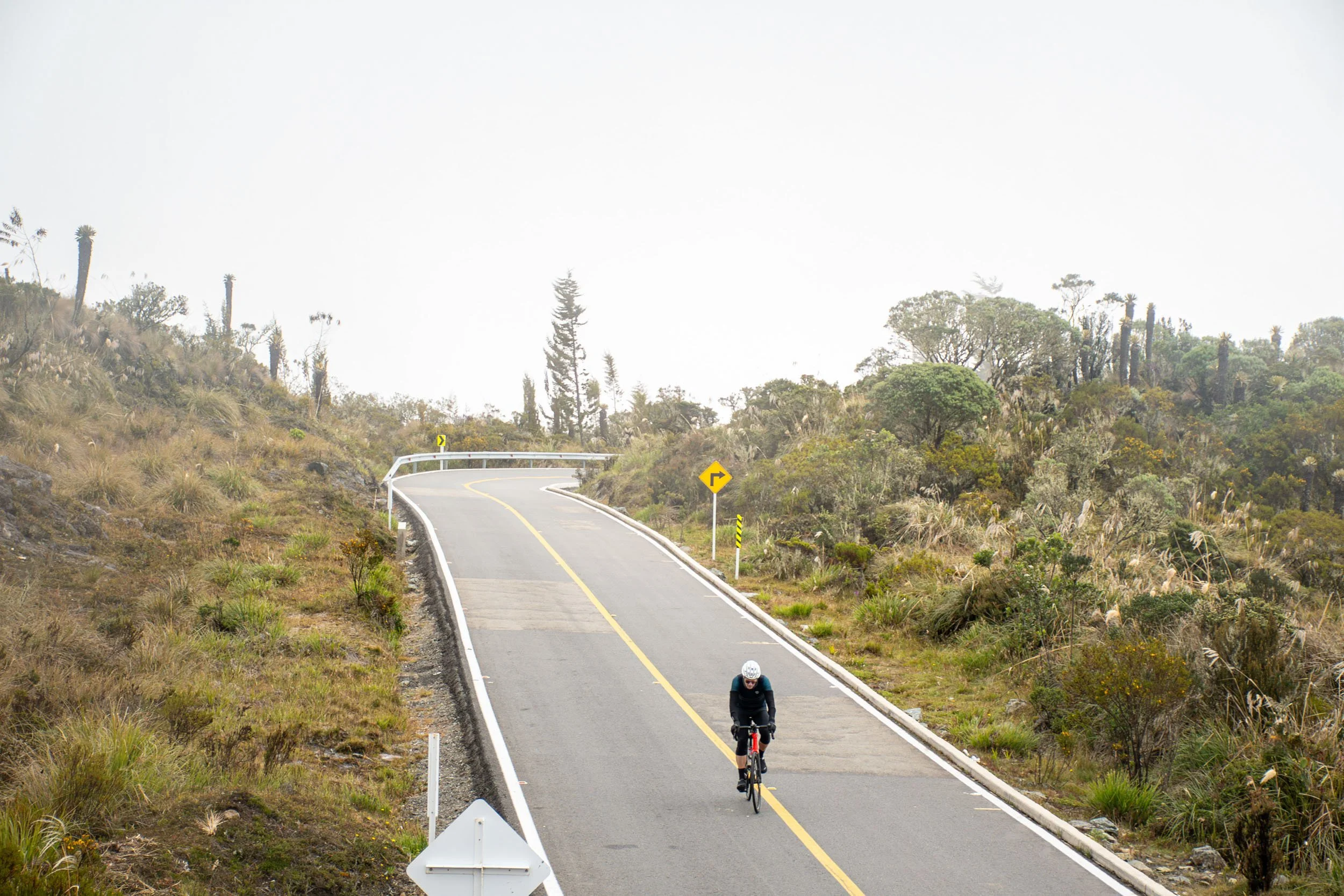
Progress here is measured in patience, not speed. | Photo by @fotografoaltodeletras.
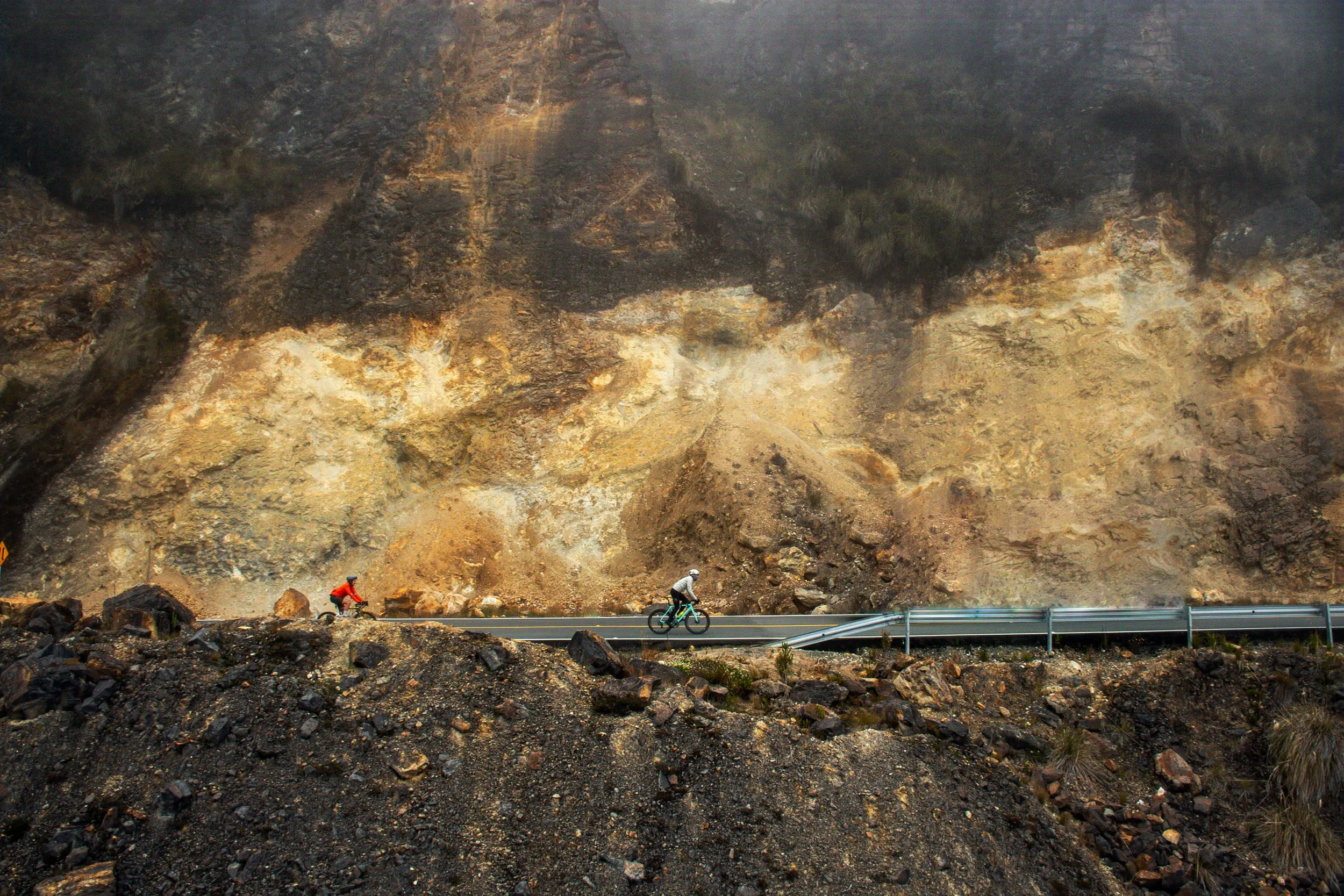
One road. Many climates. A country revealed kilometer by kilometer. | Photo by @fotografoaltodeletras.
IV. The Summit
The final approach to El Sifón is quiet. Breathing becomes strange and insufficient. Open páramo stretching into the mist. A new road sign marks the summit. Riders stop for a photo, then continue into a colder world that most tours never reach.
Many turn back here. But the next kilometers are the most otherworldly. High winds, freezing air, and 4000 meters of altitude. The landscape feels lunar. Empty. Silent. It is the stretch that reveals what this climb truly is. A climb that reveals the country.
Alto El Sifón is more than a summit. It is perspective. A reminder of how far the road has traveled in such a short distance. River heat to volcanic cold. Tropical valley to alpine tundra. Communities shaped by agriculture to communities shaped by altitude. All connected by one road.
One road that dissects Colombia. One route that reveals its many lives. Immersive and responsible travel creates understanding. And understanding creates care. Travel becomes a way to deepen our connection with the places we visit and the people who protect them.
This is how we travel at Colombici. Founder-led. Small by intention. Built by people who ride these roads and know the communities that live along them. We believe expert travel is immersive. The road to El Sifón proves it. One route that reveals Colombia.
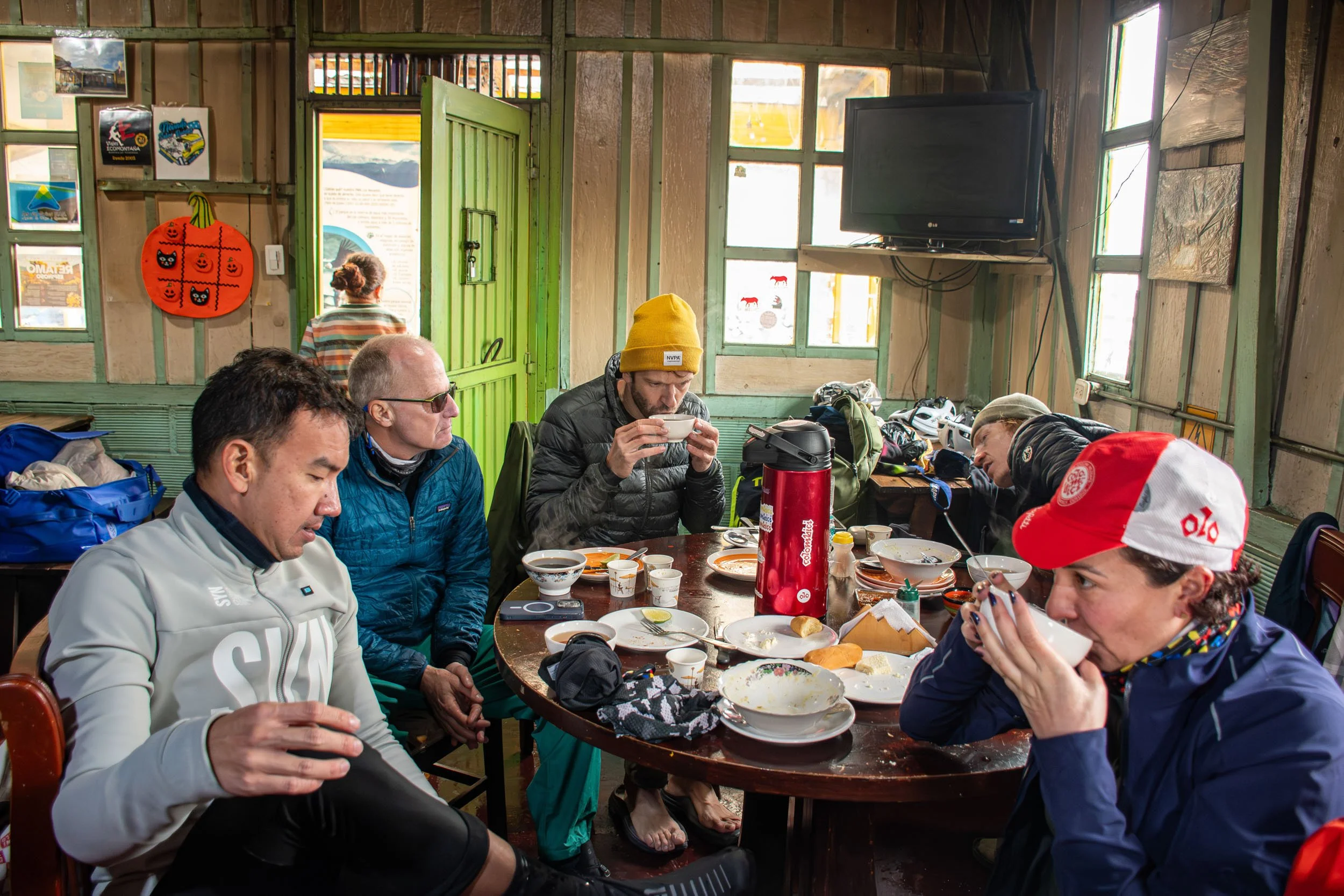
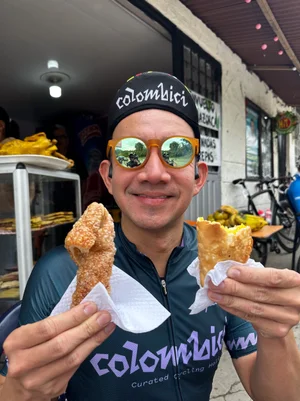
Warm food, warm hands, and brief shelter before climbing higher. | Photo by @fotografoaltodeletras.
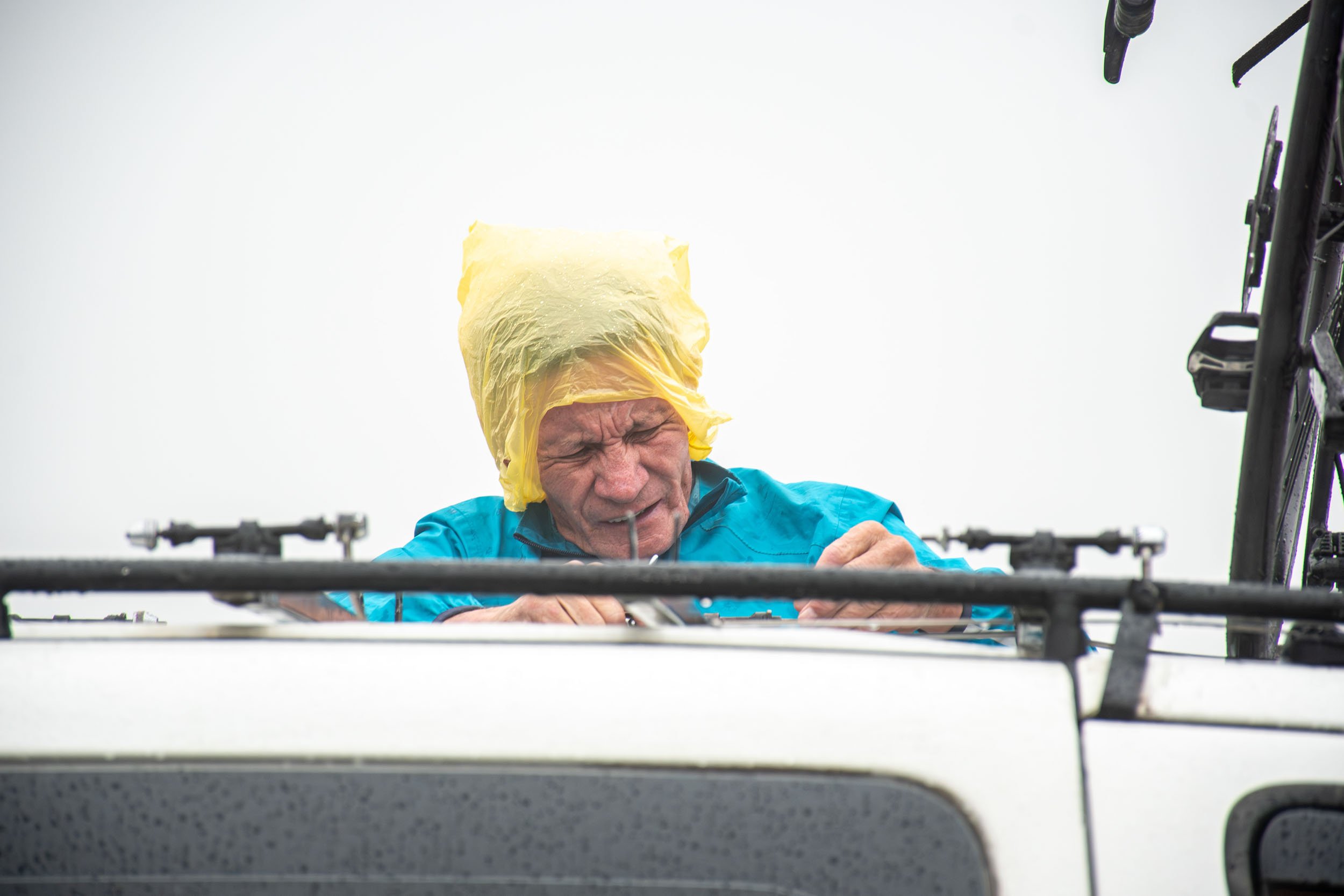
Cold and wind become constant companions. | Photo by @fotografoaltodeletras.
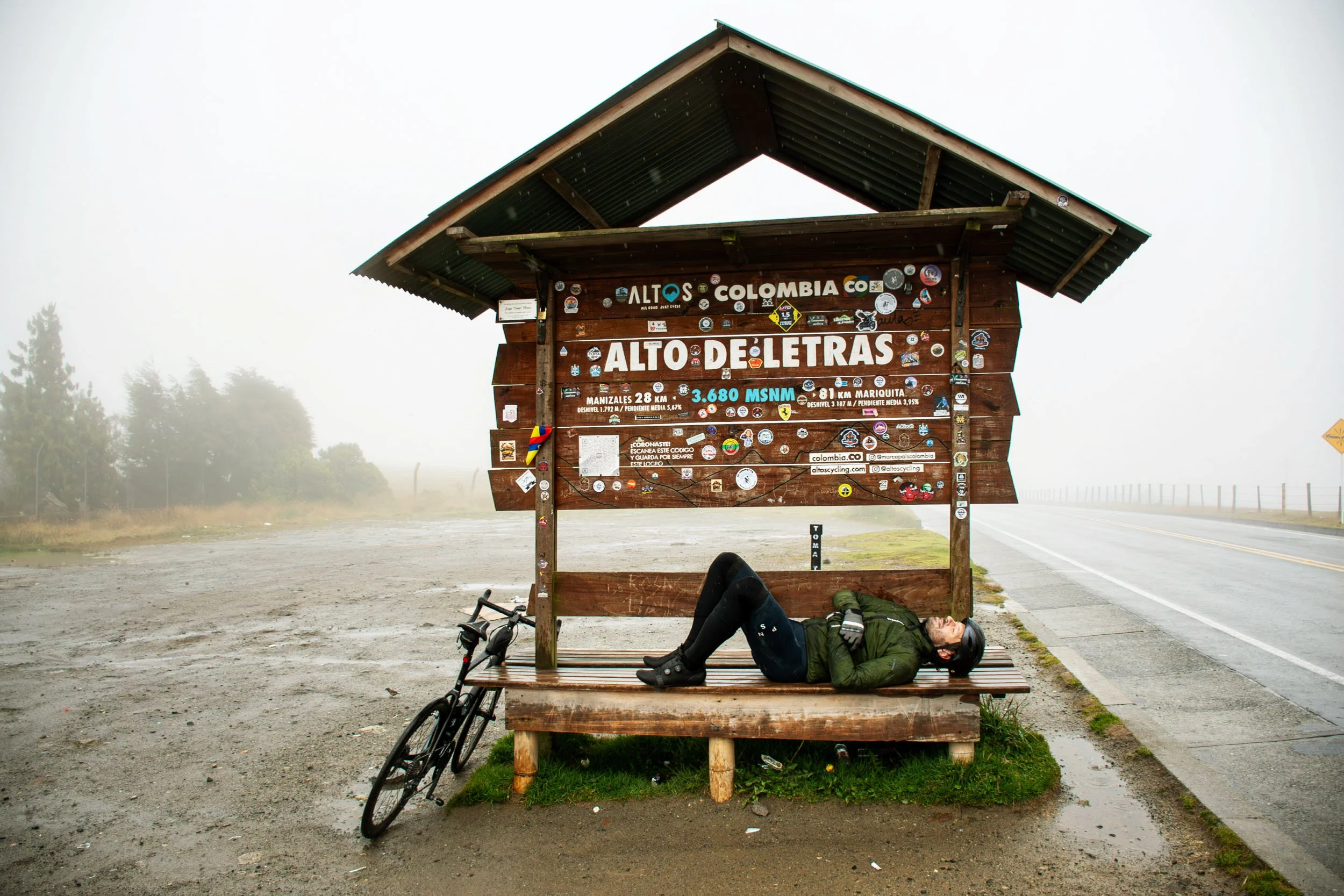
The end of the road. | Photo by @fotografoaltodeletras.