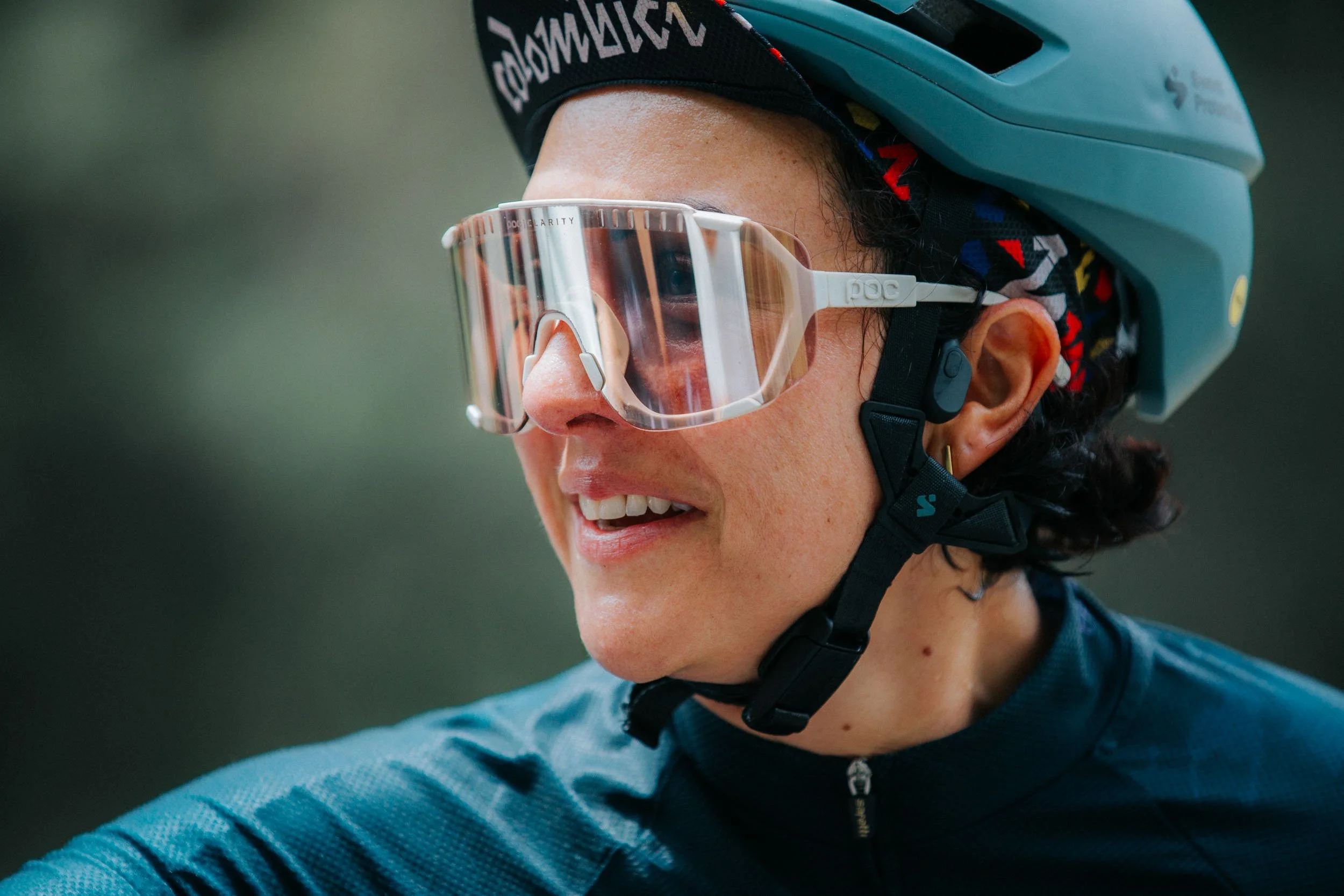
Why We Chose to Travel Small*
*Our philosophy for immersive Colombia. | By Maya Blanco, CEO and Co-Founder of Colombici
For too long, travel has measured success in volume. More departures. More riders. More miles covered in less time. In the Colombian cycling tourism industry, that logic often turns the roads into chaos: bikes stacked on van roofs, riders scattered across the lanes, support vans, cars, and motos weaving through. We realized this kind of tourism confused ‘more’ with meaning.
Colombici was created as a response to that.
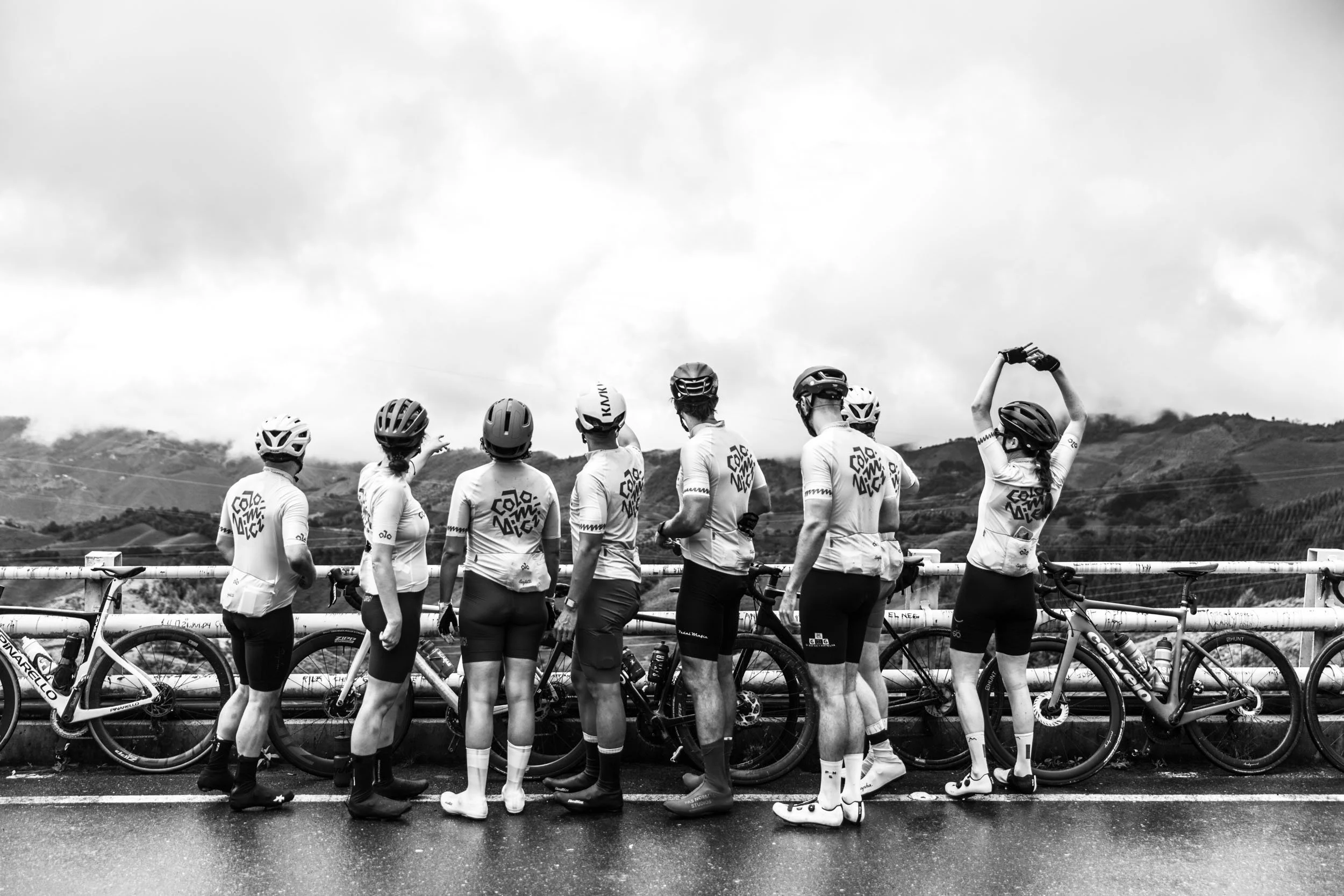

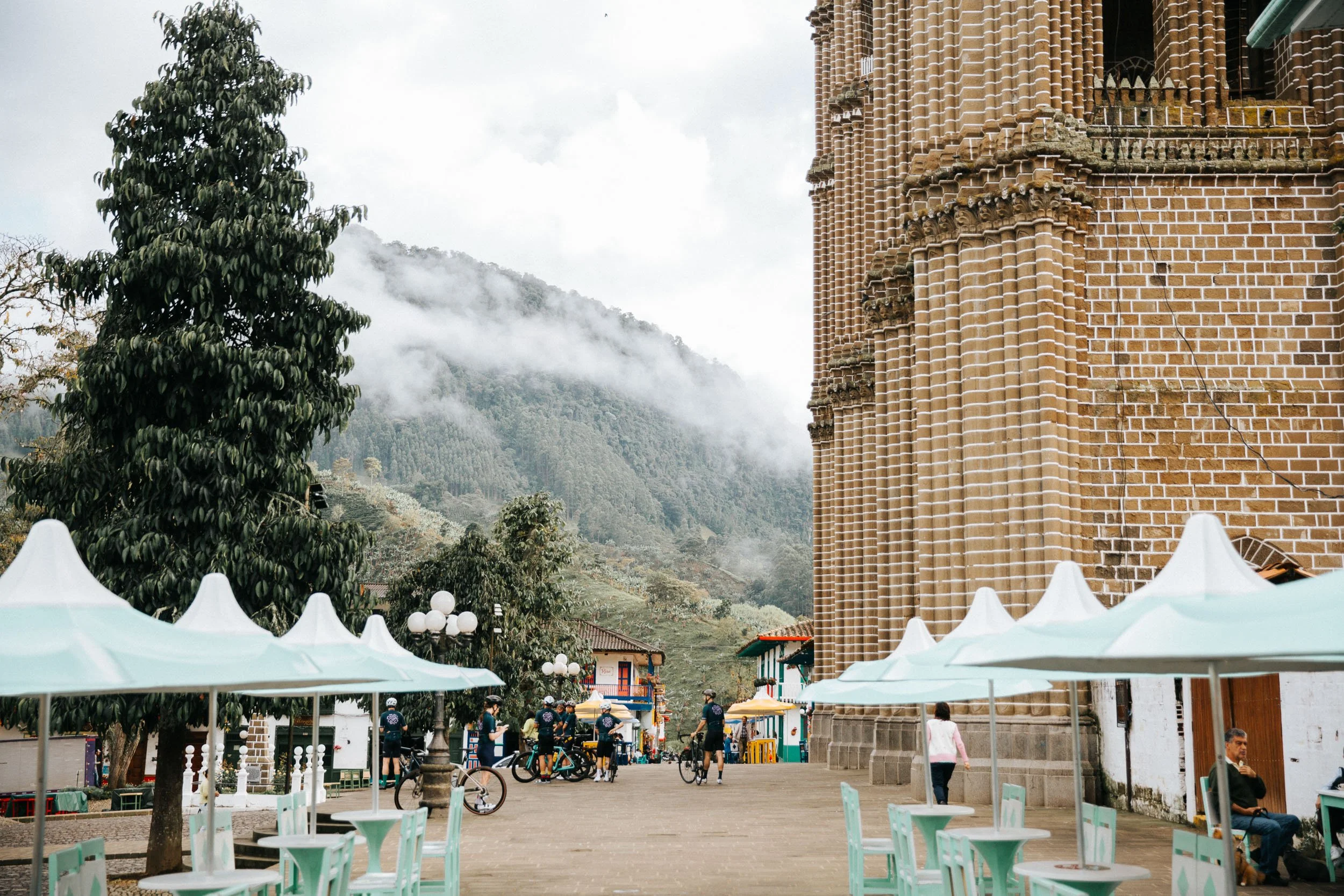
Before founding Colombici, my co-founder, husband, and lifelong partner, Pan, and I spent our careers in global branding agencies. We worked across Europe, the US, and APAC. The standards were clear. Quality mattered. Process mattered. Safety, accountability, and long-term thinking were non-negotiable.
As a Bogotána, educated in France, and holding dual citizenship, my relationship with Colombia is both personal and critical. After years abroad, Pan and I chose to move here intentionally. That’s when the gap became obvious. Colombia is extraordinary, yet how it’s presented to the world often falls into two extremes.
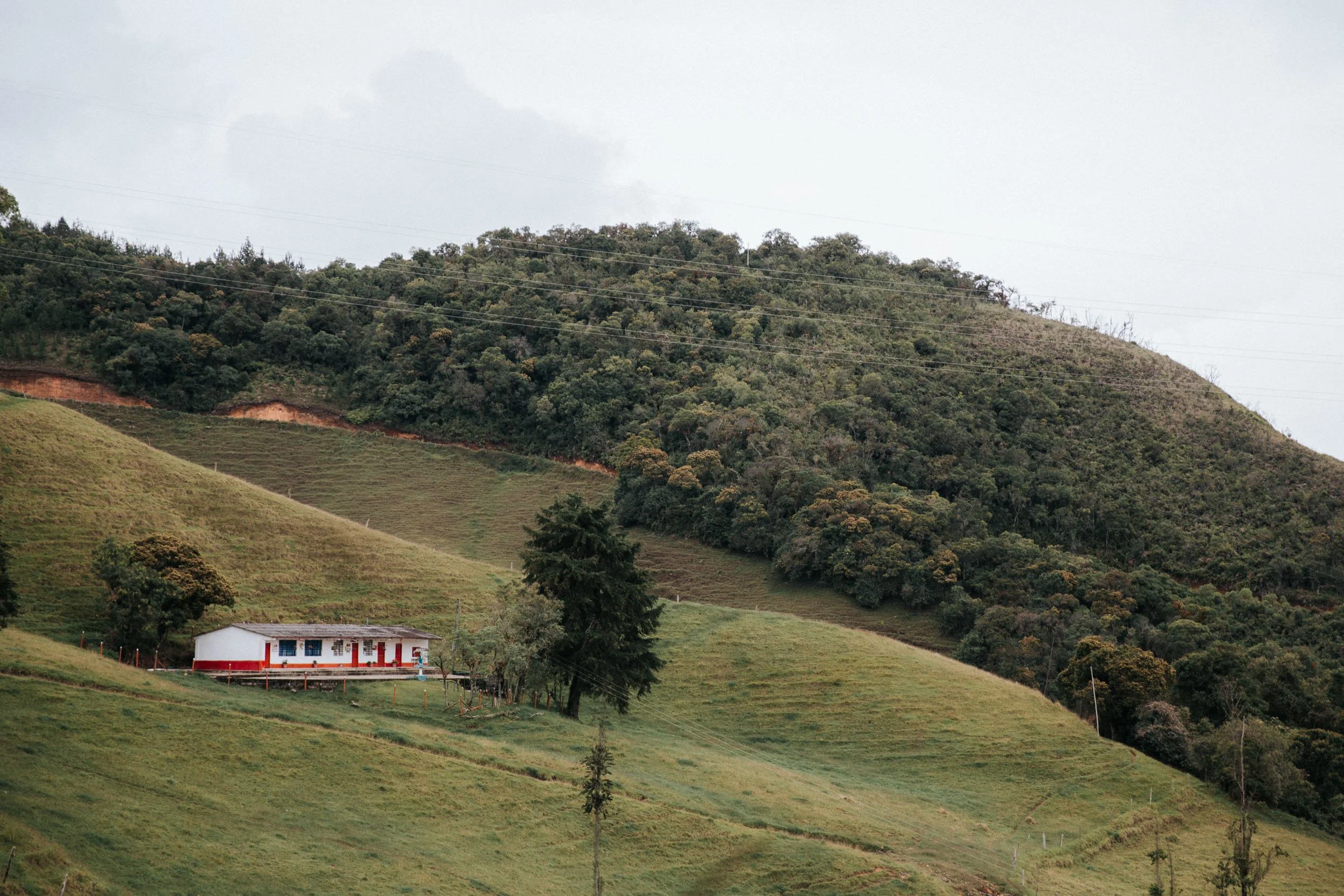
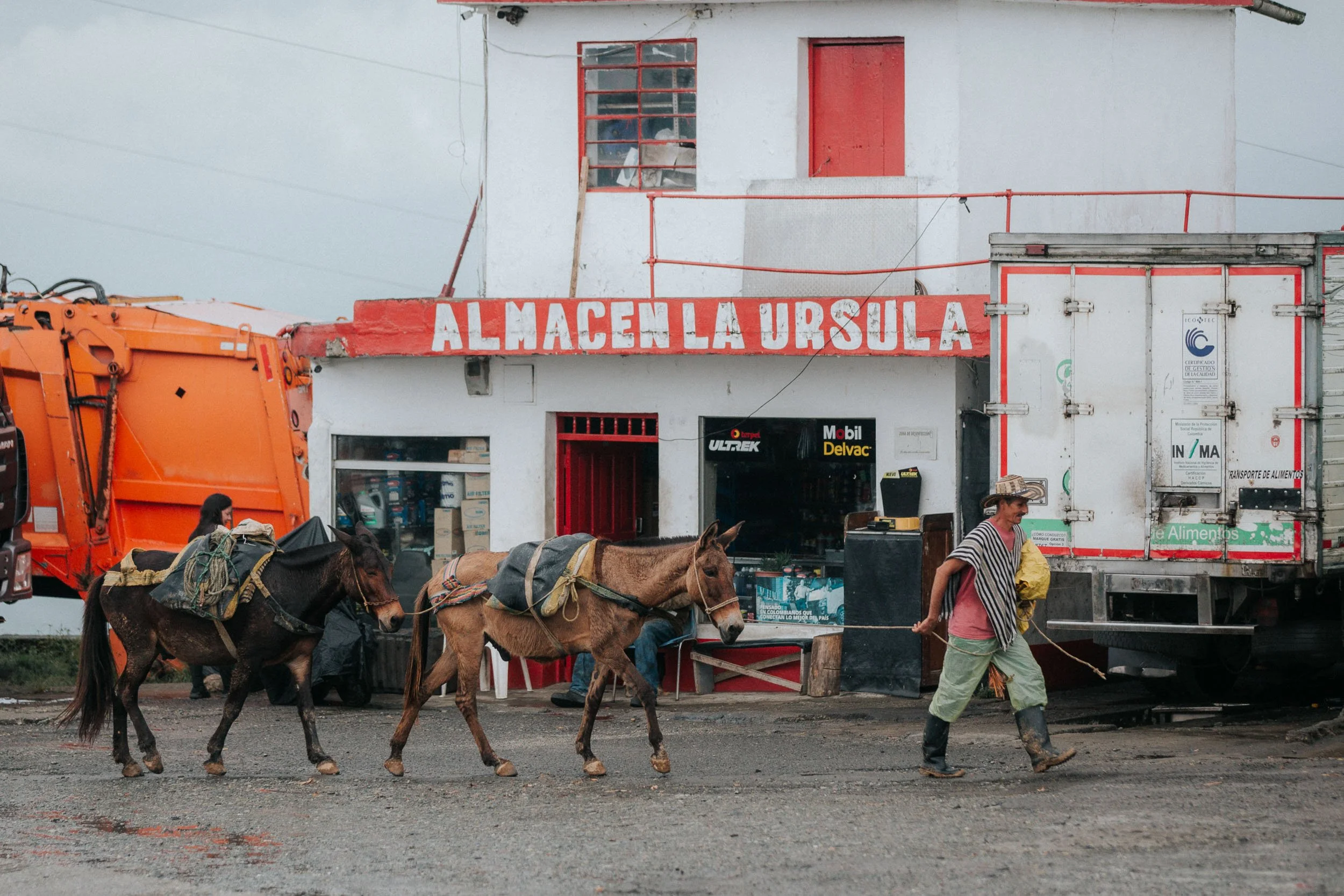
The first is mass tourism. Bigger groups. Bigger bucket lists. More climbs. More miles. While this drives the economy, it dilutes how Colombia is best experienced. The country becomes transactional, something to pass through quickly.
The second is the cycling “training camp” model. Romanticizing suffering as authenticity. Fulfilling the competitive void that many cyclists seek when thinking of Colombian mountains. Hardship is framed as profound meaning. It’s a borrowed elite-sport mindset imposed on complex places, where context, culture, and care are secondary. The landscape becomes a backdrop. Encounters become passive.
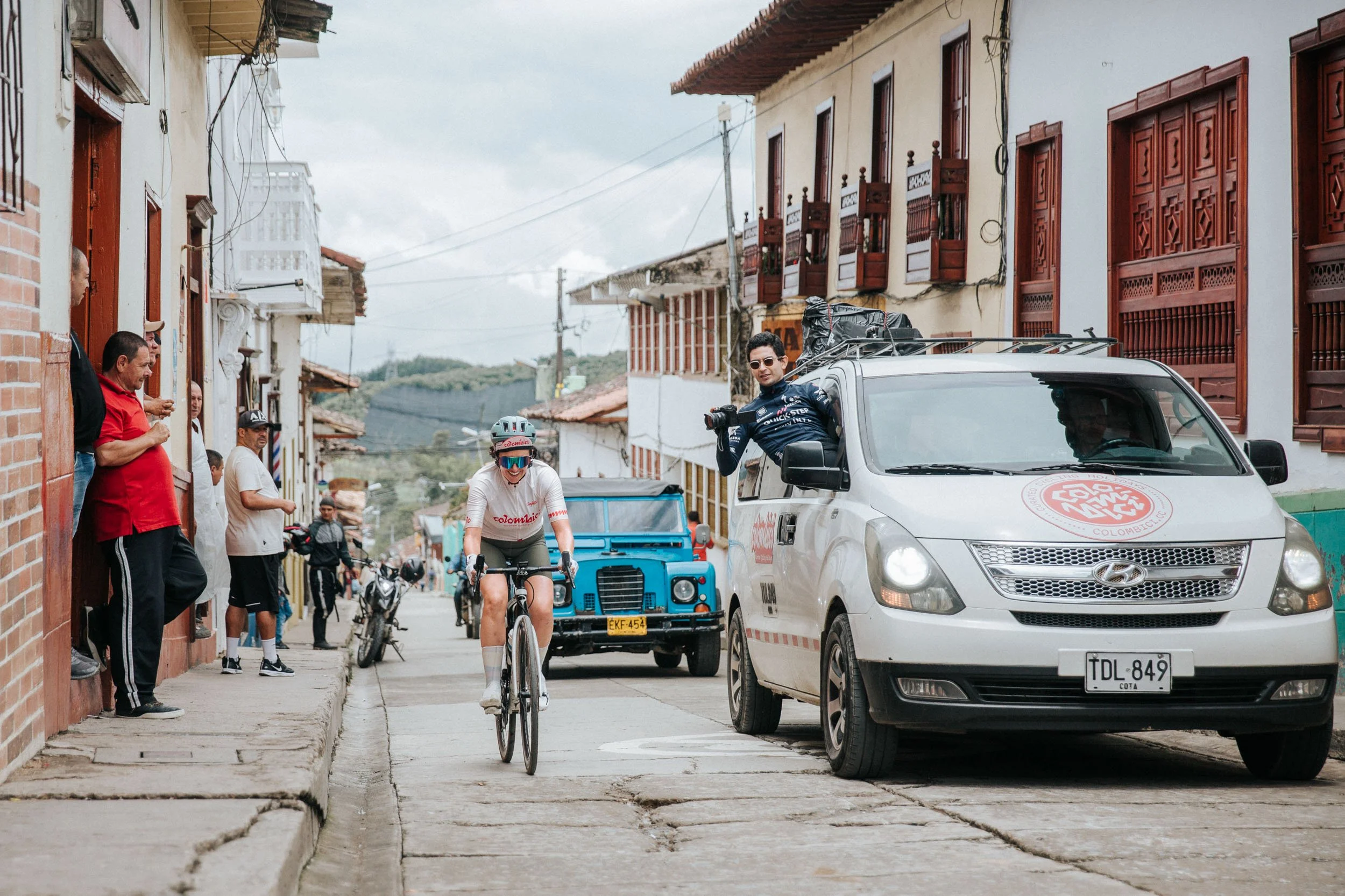
This tension matters because tourism in Colombia is still young. Since the 2016 peace agreement, international travel has grown rapidly. Connectivity has expanded. Colombia has re-entered the global imagination. Growth arrived fast. But design, standards, and intention have not always kept pace.
So we built Colombici the only way we knew how: by applying international standards to a hyper-local experience.
We believe immersive travel begins with responsibility. Small groups aren’t a tagline, they’re an operational decision. Fewer clients mean safer logistics, better judgment, and real attention to detail. They let us work with local partners respectfully and move through places as visitors, not consumers.
Founder-led matters. Pan and I design and curate every journey and work directly with every client. Decisions come from lived experience, keeping standards high and compromises rare.
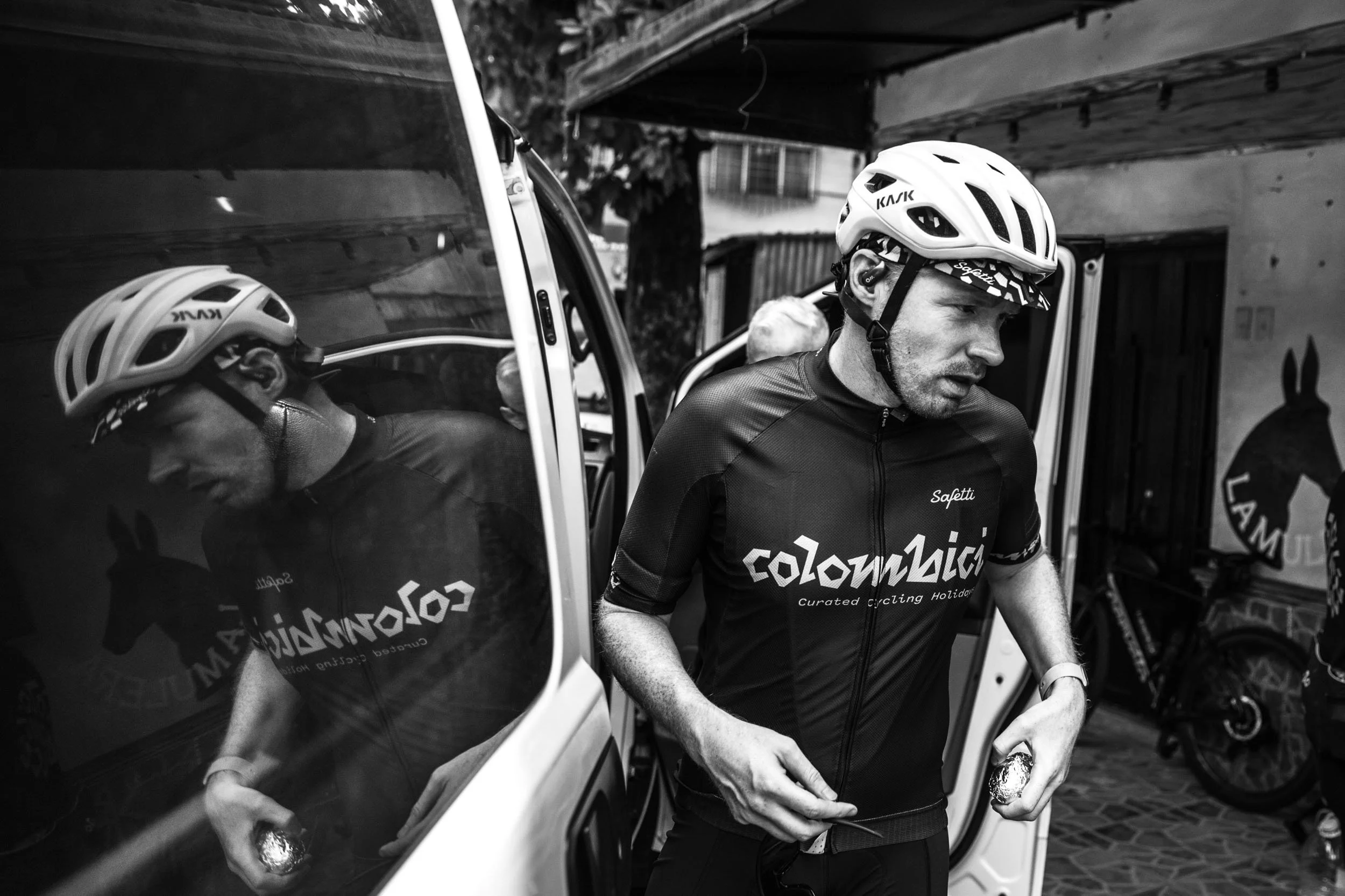
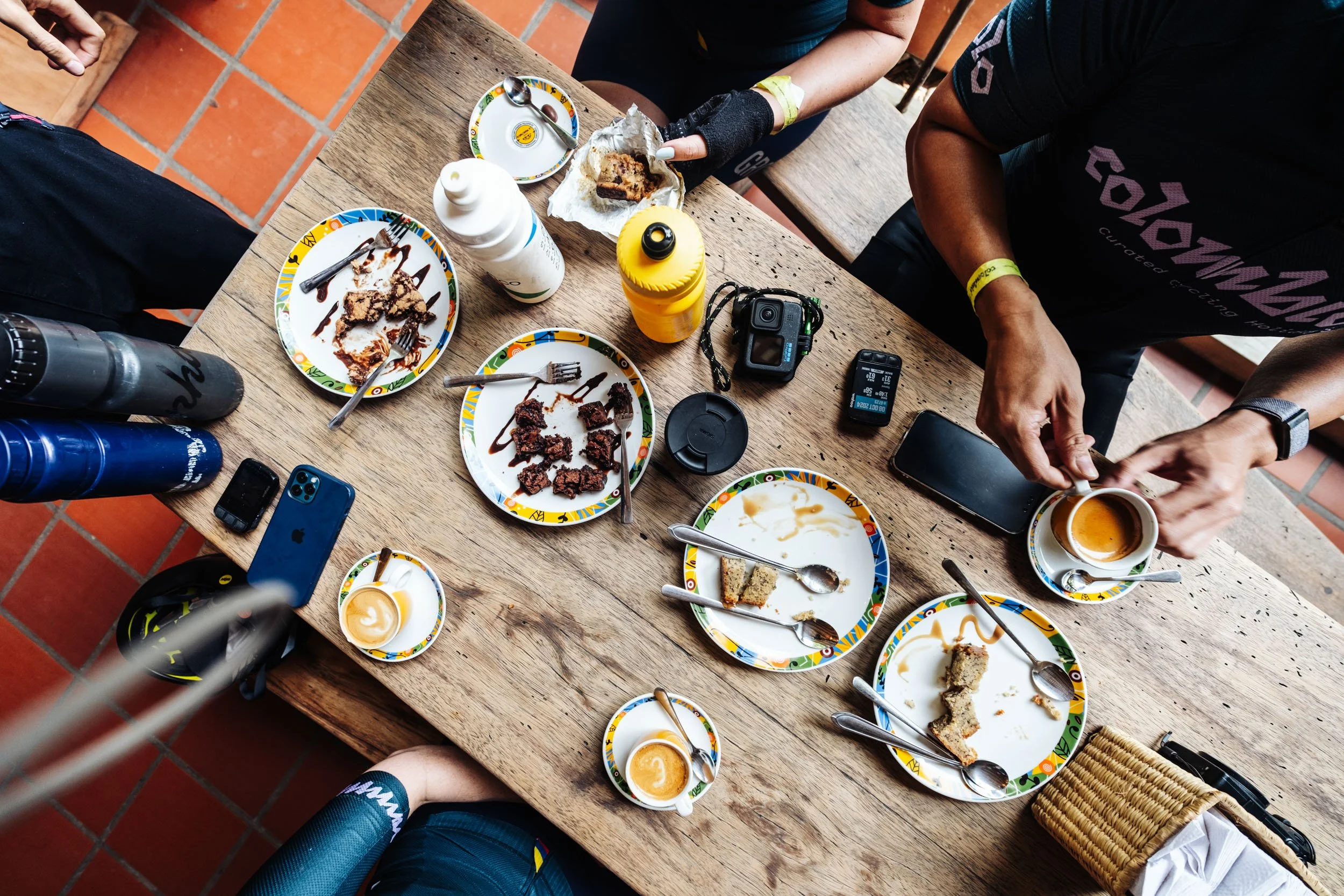
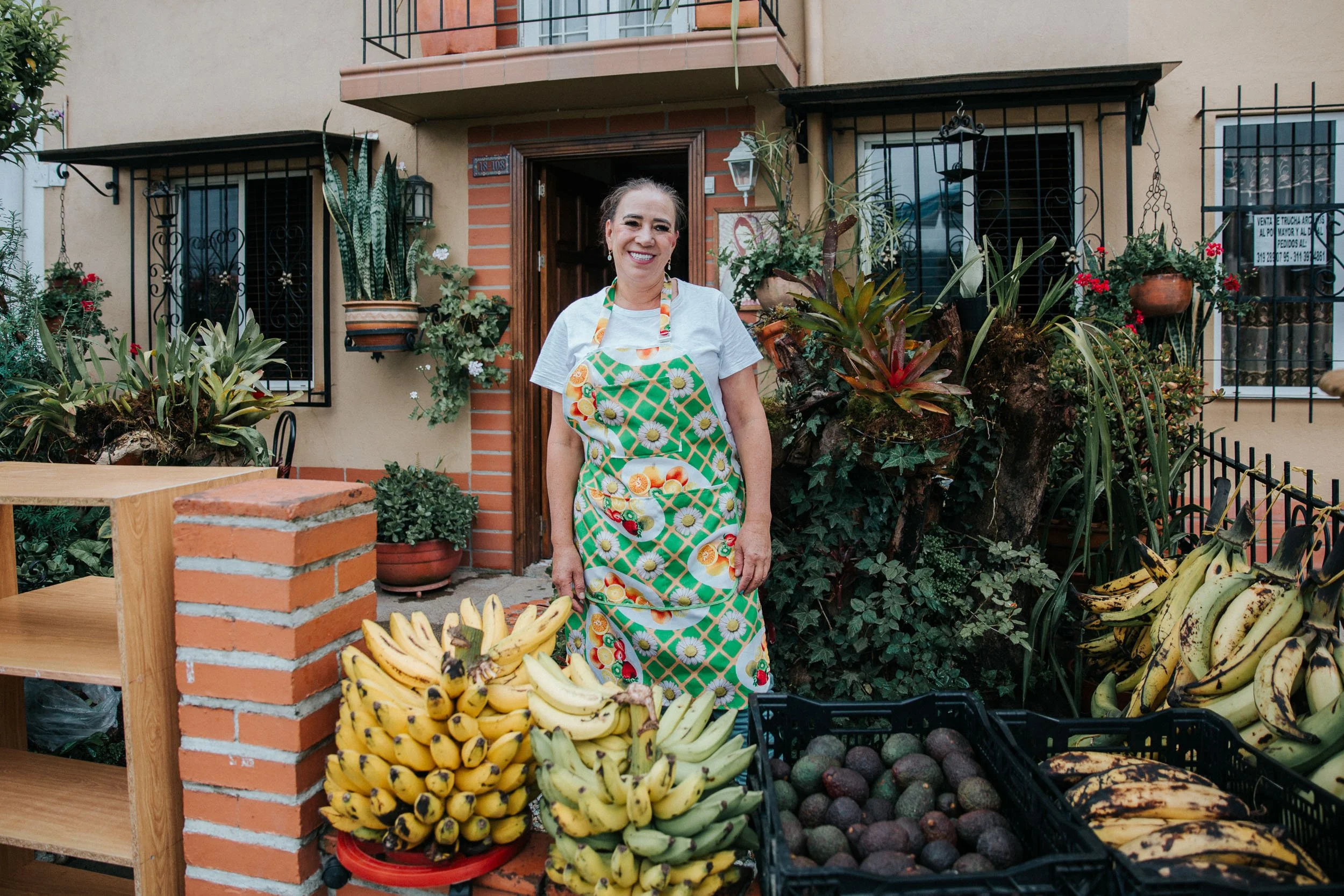
Behind the scenes, we operate with discipline: clear workflows, risk assessment, supplier vetting, and continuous refinement. We follow international best practices and ISO frameworks where relevant: ISO 9001 for service quality, ISO 31000 for risk management, and ISO 14001 for environmental responsibility. ESG principles guide our decisions on impact, social responsibility, and governance. We aim for formal certifications only where they add real value.
Cycling is simply the vehicle. Ironically, it slows things down enough to notice shifts in landscape, climate, and culture. It creates space for conversation. But cycling alone is never the point. Connection is.
Travel should be a two-way exchange. Supporting local communities isn’t an add-on. It’s the foundation. We work with local drivers, guides, masseuses, and mechanics. Money stays local. Knowledge flows both ways.
Colombia deserves your attention. It is evolving, layered, and often misunderstood. It resists archaic stereotypes. Instead, it often rewards those willing to pause, ask questions, and observe.
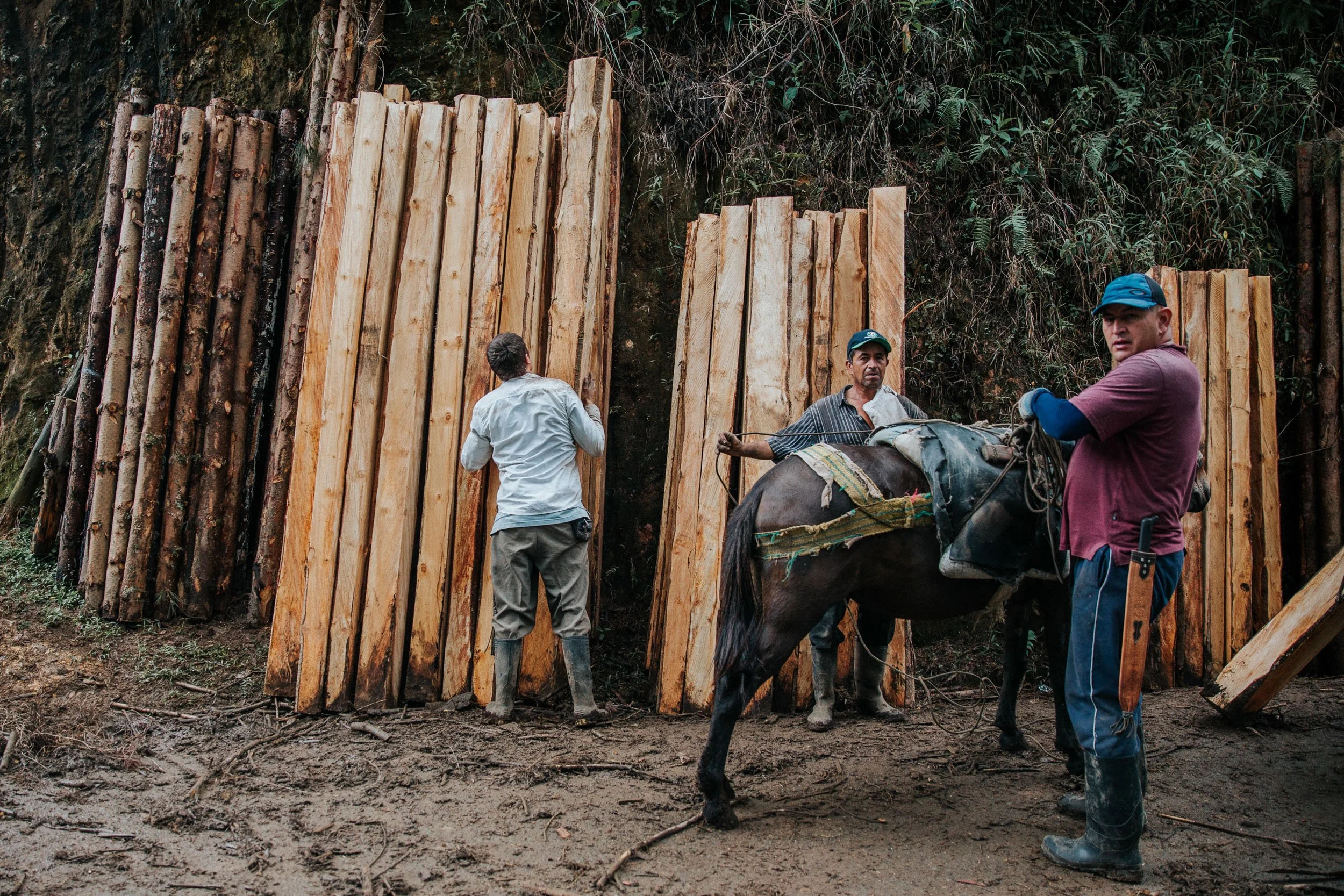
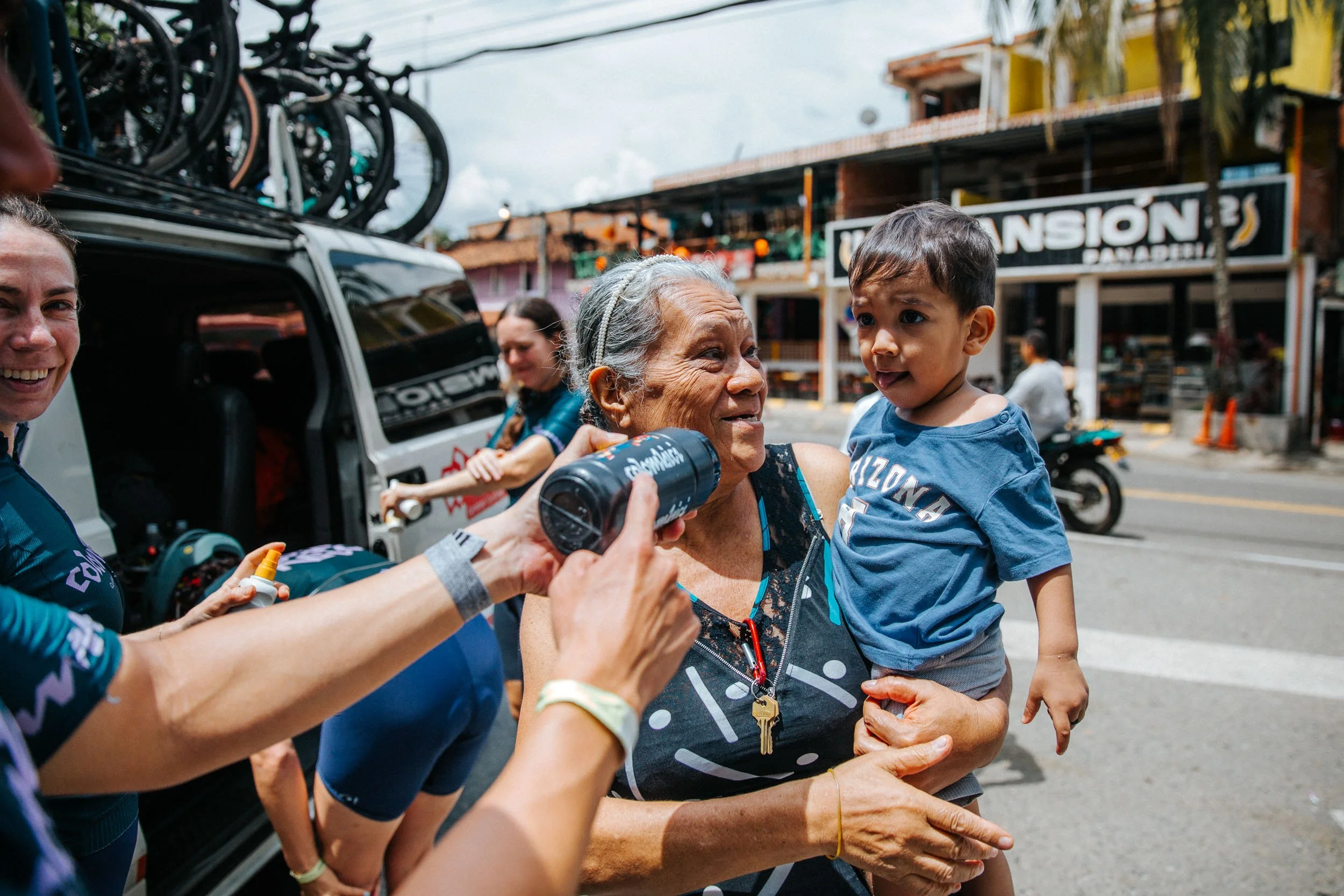
Colombici isn’t chasing scale. We build experiences that last. A new model of tourism, grounded in design thinking, cultural sensitivity, and operational excellence.
Travel is evolving, and people are asking deeper questions about how and why they move through the world. Large-scale travel may reach more places, but it dilutes the experience. Small groups, by contrast, allow for deeper connection, real access, and an authentic encounter with Colombia as it truly is.